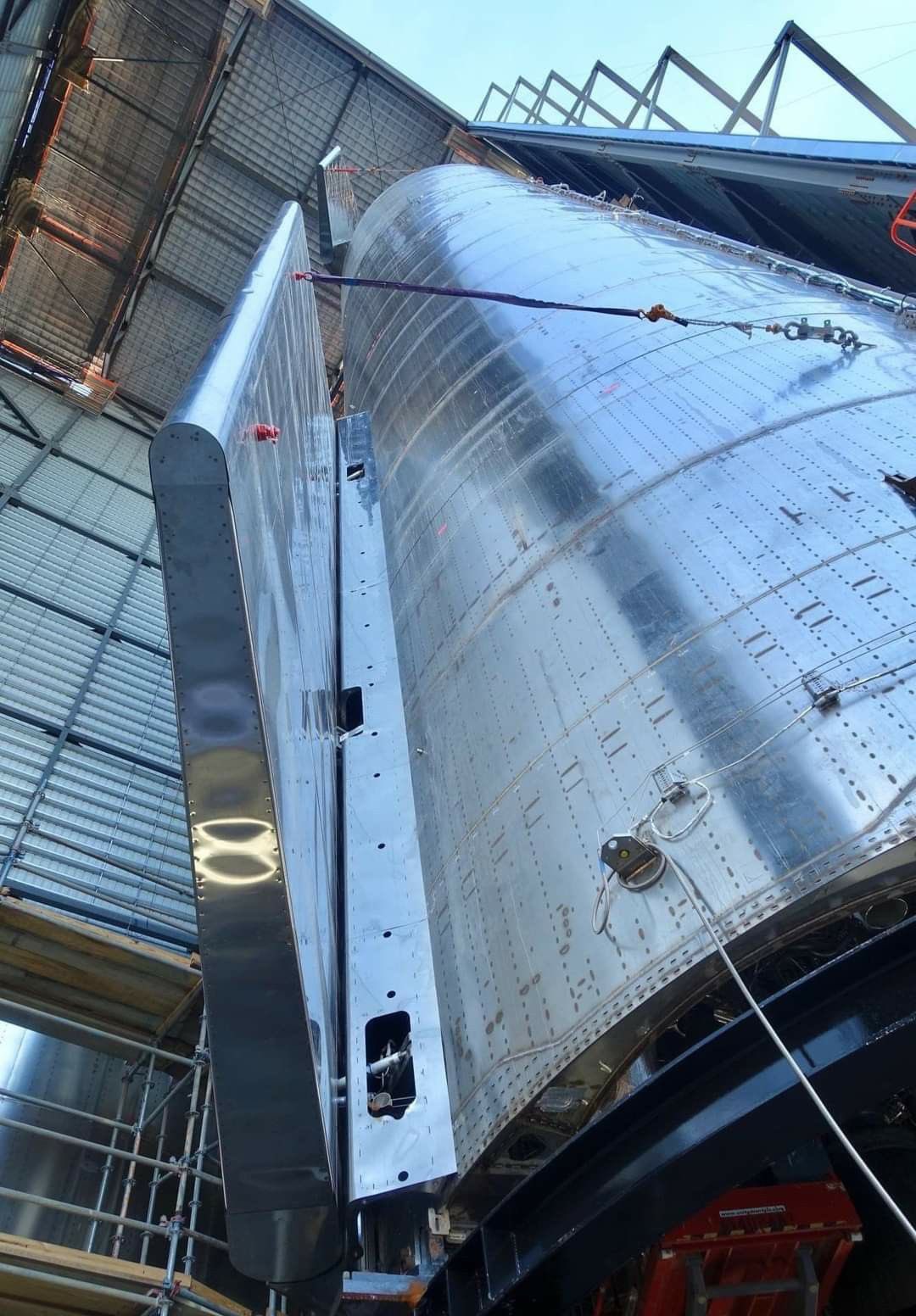
Starship · Architecture · Propellant · 8 min read
The 2026 Refueling Gatekeeper
Without rapid cryogenic transfer in orbit, Starship is a heavy-lift vehicle, not a deep-space ship. LC-39A is the funnel.
The strategic imperative
The 2026 orbital cryogenic refueling demonstration is the definitive gatekeeper for high-mass Moon-to-Mars transport. This is not a nice-to-have flight test. The transition from Earth-orbit operations to lunar or Martian transit depends on transferring massive volumes of propellant in microgravity. Without it, Starship remains a heavy-lift launcher rather than a deep-space spacecraft. Launch Complex 39A ceases to be a traditional pad and becomes a high-pressure logistical funnel — a single point of failure for the entire mission set.
Vehicle and propellant
Starship/Super Heavy stands 118 meters tall with a lift-off mass of ~5,000 metric tons and ~62 meganewtons of thrust. Thirty-one Raptors on the booster, seven on the ship. Booster propellant ~3,500 MT; ship ~1,500 MT; both at a 3.6:1 LOX:LCH4 mass ratio. Standardized stoichiometry lets the second stage serve as both depot and transport. A 24-launch-per-year cadence at LC-39A is not a commercial target. Close succession of tanker launches is the only defense against cryogenic boil-off starving the orbital depot.
Why 39A is the architecture hub
SLC-40 lacks the size. SLC-4 cannot support the required trajectories. 39A needs a 2 million kg methane farm, 1.5 million kg nitrogen cooling to keep propellants sub-cooled, a 20×20 m water-cooled flame diverter under 62 MN of plume, and a 120–180 m vertical integration tower so stacking can match tanker-to-mission phasing. If pad turnaround exceeds the orbital window, the first tanker’s propellant boils off before the last load arrives. Total mission failure.
The chain
Launch and ascent. Super Heavy separates near 70 km; Starship ignites near 80 km into LEO. Orbital phasing and ship-to-ship docking. Cryogenic transfer of LOX and methane in microgravity. Automatic safing. Managed venting to a safe state for reentry or transit. If the safing sequence is compromised, the risk profile is unacceptable for crew. Traditional launch escape systems protect only a fraction of ascent and create a hard failure mode if the tower fails to jettison. Starship discards that architecture. Engine-out redundancy must make losing engines a non-event. Fly the system until the vehicle is the escape.
Ask this paper
Grok answers from this essay only. Sign in so the call stays on your session — one question at a time.
Sign in to askNext
The First Breath