TeraFab · Compute · Starship · 6 min read
TeraFab Is the Silicon Backbone
Stainless steel makes return impossible until you close the ISRU and compute loop. A terawatt fab is not a chip factory. It is the bridge off Earth’s gravity well.
The mass problem
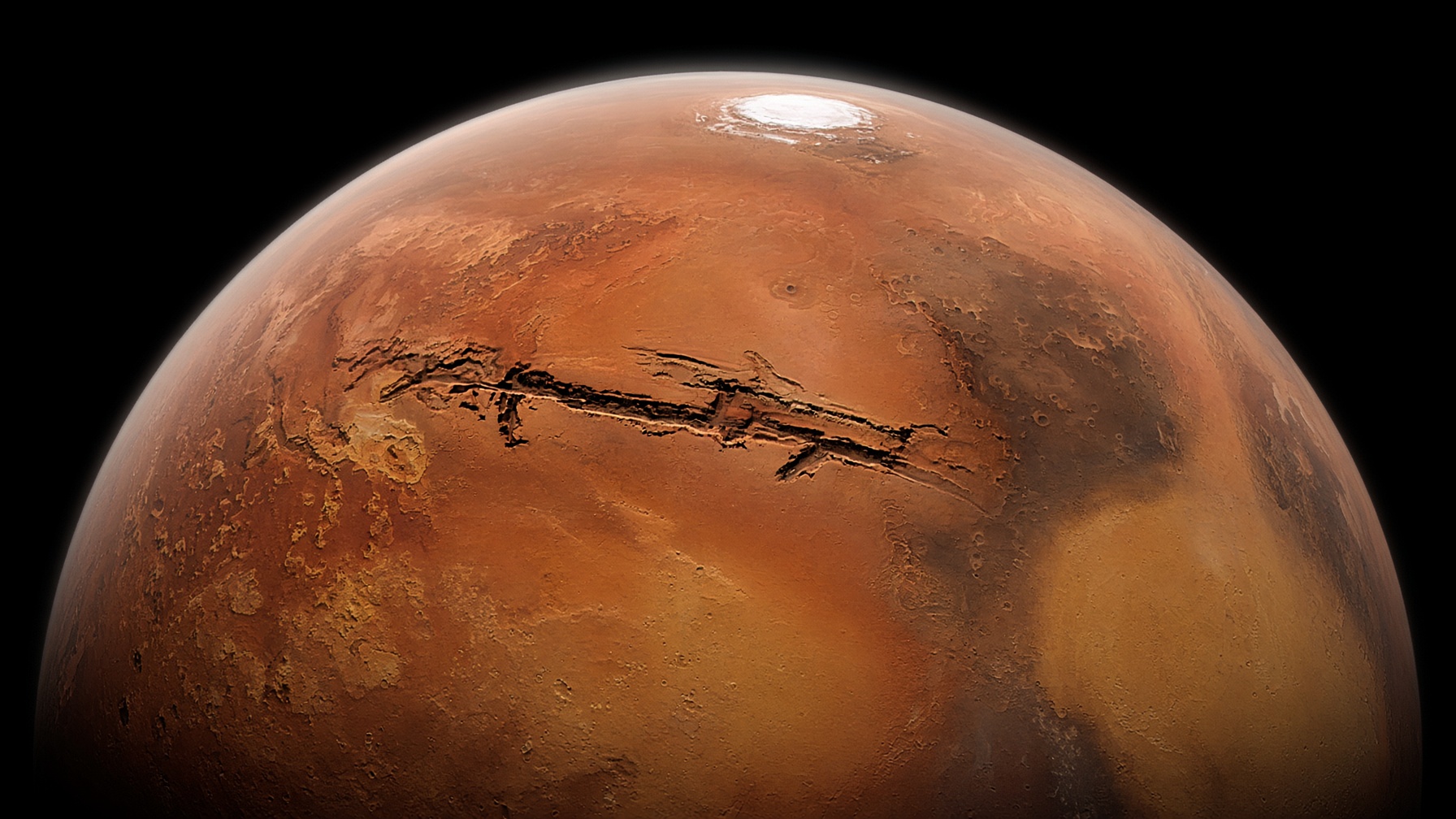
Starship can reach Mars. Stainless steel mass makes return impossible unless you close a set of hard constraints at once: 2,400 metric tons of ISRU propellant on the Martian surface; structural mass trimmed by microns across millions of design permutations; radiation-hardened autonomy that survives years in deep space; first-wave construction before any humans arrive; launch cadence that collapses cost toward $100/kg.
What the fab actually is
Earth’s entire chip output is about 2% of what terawatt-scale compute requires. TSMC, Samsung, Micron remain essential — we will buy every wafer they can produce — and their maximum expansion still falls short. Tesla is building TeraFab in Austin: one facility integrating logic, memory, packaging, testing, and mask-making. Two chip classes: edge inference silicon for Optimus at 1–10 billion units per year, and radiation-hard high-power devices designed for space thermal and radiation environments. The majority of future compute will operate in orbit. Terawatt scale versus the 100–200 GW currently available on Earth.
Orbit as backbone
The petawatt does not launch from Earth in one throw. A terawatt of orbital compute still climbs out of the well, one Starship at a time. The Moon is one-sixth the gravity and has no atmosphere. An electromagnetic mass driver throws finished satellites to escape velocity without burning propellant. TeraFab still has to print the silicon. Optimus and ISRU build the thrower on the regolith. Starship delivers the factory, not every watt. Earth remains the expensive option. The leap is logistics. Orbit is no longer a destination; it is the physical backbone for a Kardashev-level civilization.
Ask this paper
Grok answers from this essay only. Sign in so the call stays on your session — one question at a time.
Sign in to askNext
The First Breath