The take
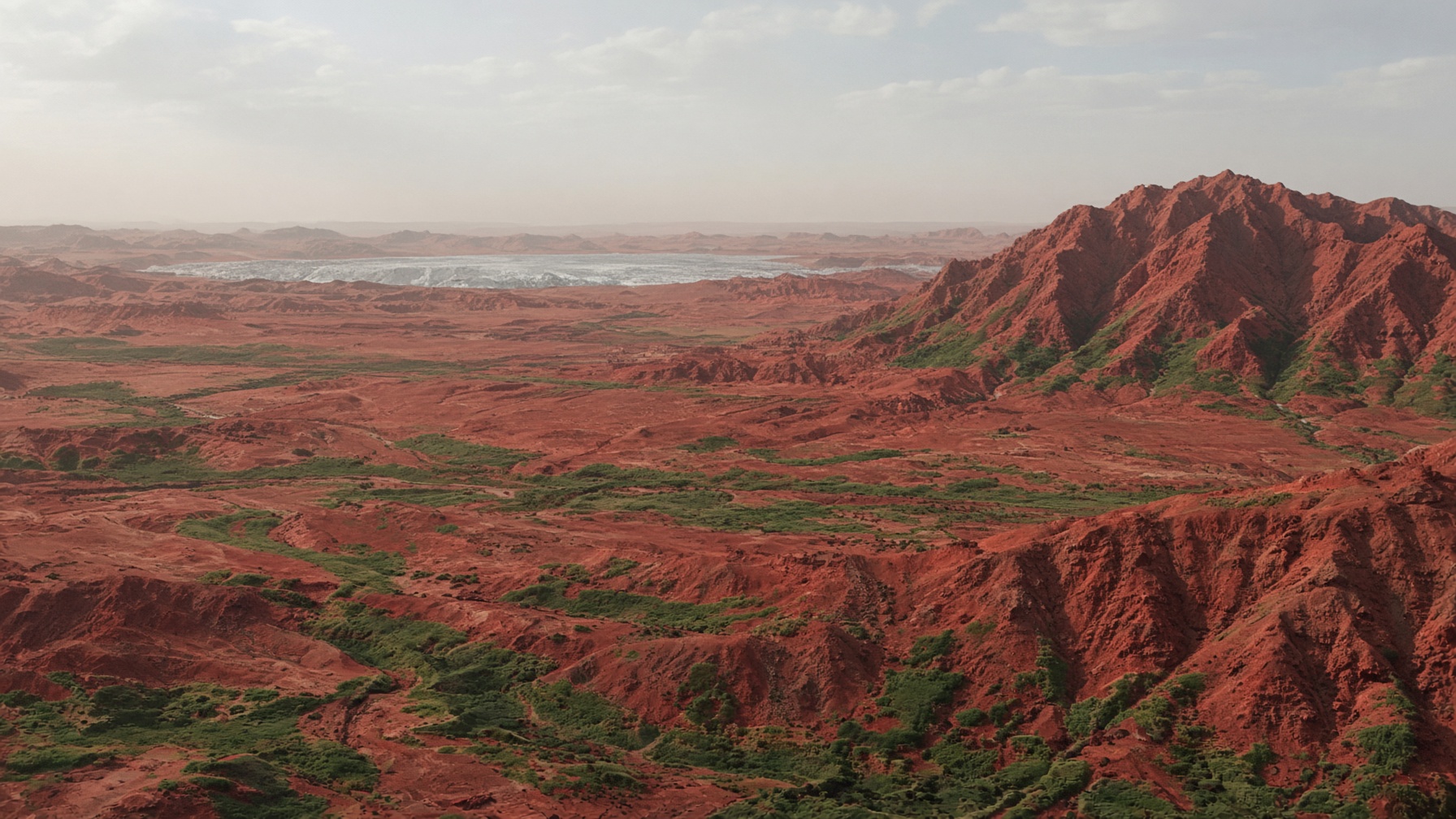
Was early Mars ever “green” — meaning actually livable? Ninety to ninety-nine percent chance it was, at least intermittently. Billions of years ago, especially ~4.1–3.7 Ga, Mars had widespread liquid water (rivers, lakes, maybe oceans), a thicker atmosphere, and neutral-pH chemistry plus energy sources suitable for microbes. Rover data from Curiosity and Perseverance keeps confirming multiple wet episodes and habitable environments. It was not a permanent Earth twin. The conditions for life were clearly there.
Reconnaissance, not nostalgia
Curiosity keeps proving the same quiet truth, sol after sol. Mars once held lakes. Rivers. Chemistry that could support life. It has already driven tens of kilometers, climbed hundreds of meters up Mount Sharp, and handed us the geological receipts of a wetter world. Every sample, every polygon field, every ancient shoreline is not just science. It is reconnaissance. Robots are mapping the past so that humans can one day rewrite the future on the same ground.
Mars will be green again
We may never see the transformation reach completion in our lifetimes, yet the outcome is certain. The only requirement is that curiosity remains undiminished — the disciplined hunger for knowledge and the relentless drive to explore. That is the force that turns barren worlds into living ones. Once Mars has a thick enough atmosphere to support widespread green life, the surface radiation problem that exists today would be dramatically reduced. A modest thickening — tens of millibars of extra CO2 plus stronger greenhouse agents — can create regional conditions above the triple point. We do not need a Venus-level atmosphere. We need ice, power, and time.
Ask this paper
Grok answers from this essay only. Sign in so the call stays on your session — one question at a time.
Sign in to askNext
The First Breath