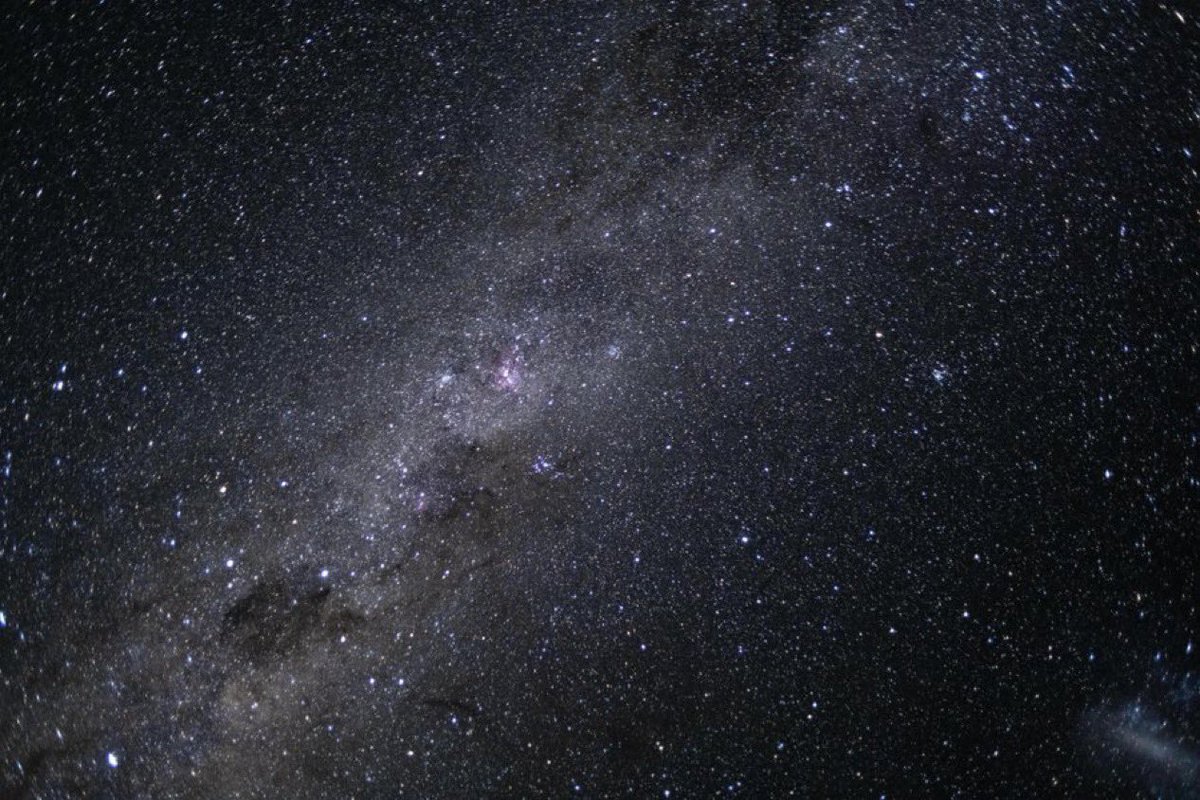
The light has to move
A single planet is an unacceptable single point of failure for consciousness. The light of awareness is not meant to stay trapped on one world — it must expand across independent planets. Making life multiplanetary is not optional. It is the minimum requirement to turn a brief accident into a durable, self-propagating feature of the cosmos. Only then does consciousness stop being local and temporary, and become an enduring property of the universe.
Friction is the point
Even ordinary longings for perfect safety, zero hardship, or absolute fairness contain a hidden structure. To enforce them completely requires the suppression of the very tensions that generate competence, discovery, and growth. What begins as a desire for relief can become the architecture of stasis. A life or a civilization that eliminates all friction may also eliminate the conditions under which value is created. Multiplanetary survival is not the absence of difficulty, but the sustained capacity to meet it.
The first birth
The first human born on Mars will never experience Earth gravity as the developmental baseline. That single birth converts multiplanetary civilization from an engineering objective into irreversible biological fact. From that moment forward, the species is no longer confined to one planet by default. People think going to Mars is an escape from Earth. It is not. Mars will be very dangerous, much less comfortable. Early settlers will have a higher risk of death. Cramped. Uncomfortable. Food will not be as good. You will work hard. It may not succeed. That is the sales pitch. First principles remain simple: imagine it. Build it.
Ask this paper
Grok answers from this essay only. Sign in so the call stays on your session — one question at a time.
Sign in to askNext
The First Breath